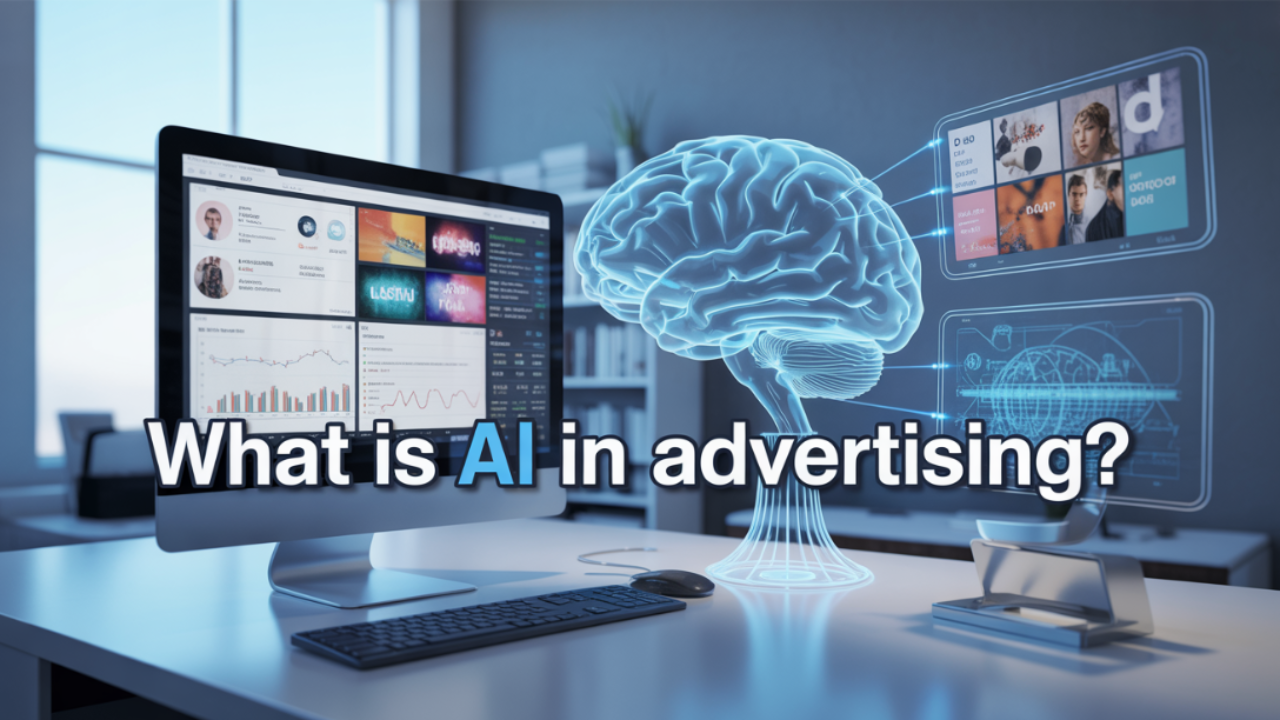
In today’s digital world, advertising is rapidly evolving, and AI is playing a significant part in this transformation. In advertising, AI refers to the use of smart technology that can learn from data and assist organizations in making better advertising decisions.
Instead of guessing what will work, AI analyzes user activity, identifies patterns, and recommends the most effective method to reach the intended audience. This is why many businesses utilize AI: to save time, cut expenses, and increase ad performance.
The simple benefit is that AI enables businesses to deliver the appropriate message to the right person at the correct time.
What is AI in Advertising?
AI in advertising means using artificial intelligence tools and machine learning to plan, create, deliver, and improve ads automatically. It collects data about what people search, watch, buy, or click, and uses this information to understand what type of ad each person might respond to. With this, AI can choose the best audience, decide the best time to show the ad, and even generate ad content like images, headlines, and descriptions.
Traditional advertising depends mostly on manual work and human judgment. But AI-powered advertising uses real-time data and smart algorithms that continuously learn and improve. In simple words: traditional ads rely on human effort, but AI ads rely on smart technology that gets better every day.
How AI Works in Advertising
AI works in advertising by collecting data, learning from it, and then using that knowledge to make smarter ad decisions. First, AI starts with data collection. It gathers information about how people behave online what they click, what they search, what they buy, and how they interact with ads. This data helps AI understand what different audiences like.
After collecting the data, AI uses AI models and predictions. These models study patterns in user behavior and predict what type of ad a person is most likely to respond to. For example, AI can guess which image, headline, or offer will get the best results.
Next, AI makes real-time decisions. This means AI chooses the best moment to show your ad, selects the right people, and adjusts bids instantly based on performance. Everything happens within seconds, giving your ads a better chance to succeed.
Finally, AI handles automated testing and optimization. It tests different versions of your ads, checks which one performs better, and keeps improving them without waiting for manual updates. This helps your ads get better results over time while saving you a lot of effort.
Key Uses of AI in Advertising
Programmatic Advertising: Programmatic advertising means buying and placing ads automatically with the help of AI. Instead of manually choosing where your ad should appear, AI does it for you in real time. It studies user behavior, checks available ad spaces, and instantly decides where to show your ad for the best result. This makes ad buying faster, cheaper, and more accurate.
AI Targeting & Personalization: AI helps advertisers reach the right people by understanding what each user likes, needs, and interacts with online. It shows personalized ads based on users’ interests, search history, age, location, and behavior. This makes ads more relevant and increases the chance of getting clicks, sales, or sign-ups.
AI Creative Generation: AI tools can now create ad content automatically. They can generate ad headlines, descriptions, images, and even short videos. This helps marketers save time and test many different ad versions. AI creative tools also learn which design or message performs better and help create more effective ads.
Automated Bidding & Budget Optimization: AI controls your ad budget smartly. It decides how much to bid for each ad impression or click and adjusts your spending in real time. If an ad is performing well, AI increases the budget; if it’s not working, AI reduces it. This removes guesswork and ensures your money is used in the best way possible.
Fraud Detection & Brand Safety: AI protects your ads from online fraud and unsafe websites. It can detect fake clicks, bots, and harmful traffic. AI also checks if your ads are shown on safe and trusted websites so your brand image remains clean. This keeps your advertising budget safe and builds trust.
Benefits of AI in Advertising
- Better targeting: Reach the right people.
- Higher conversions: More users take action.
- Saves time: Automates tasks like bidding and testing.
- Personalized ads: Shows ads that match users’ interests.
- Better ROI: Get more results with less money.
- Faster scaling: Grow successful campaigns quickly.
Software Used in AI Advertising
Adcreative AI
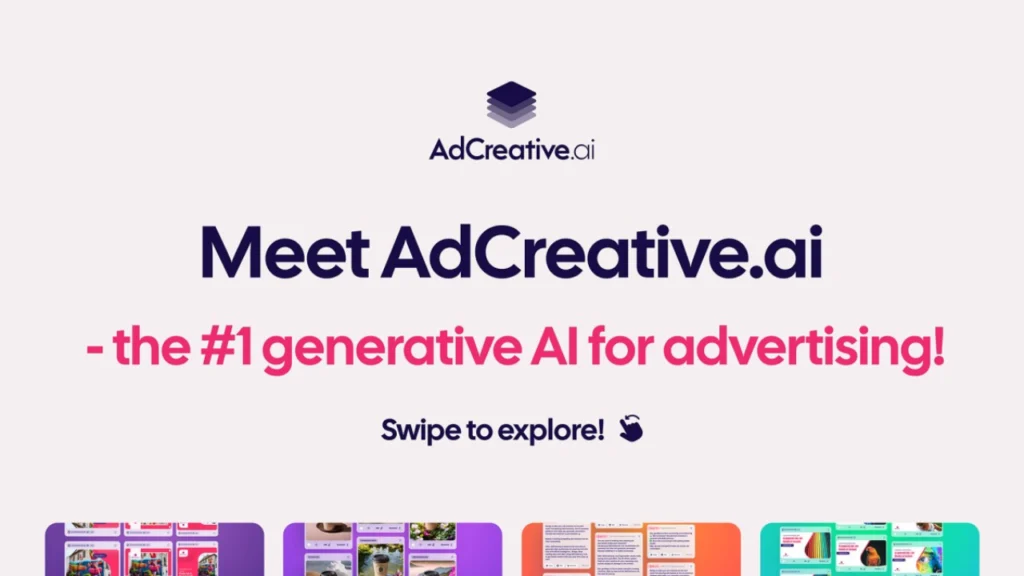
AdCreative.ai is a smart AI tool that helps businesses create high-performing ads quickly and easily. It can generate ad images, videos, texts, and product photos that are optimized for platforms like Facebook, Instagram, LinkedIn, and Google Ads. The tool uses AI to study your brand, audience, and past ad performance to produce creatives that are designed to get results.
It also enables A/B testing, which allows you to test numerous versions of your ad and select the one that performs best. This saves time, lowers manual labor, and makes your adverts more effective.
Aside from designing commercials, AdCreative.ai offers important services such as creative score, which verifies your ad quality before you spend money, and competitor insights, which allow you to see what works in your business.
It can also convert simple product photos into sophisticated e-commerce images and create scroll-stopping video advertising. This platform provides a comprehensive solution for e-commerce firms, agencies, and marketing teams, allowing for fast, scalable, and conversion-focused advertising. In a nutshell, AdCreative.ai demonstrates how AI in advertising can help firms target the right audience, save time, and achieve better outcomes.
Google Ads AI
Google Ads AI, especially the Performance Max campaigns, is an AI-powered tool that helps advertisers reach the right customers across all Google platforms. This includes YouTube, Gmail, Search, Display, and Maps. The AI automatically decides where and when to show your ads based on user behavior, interests, and past interactions. It also optimizes your budget and bids to get the best results, helping businesses save time and improve their return on investment. Performance Max makes it easy to run campaigns without manually managing each platform, while AI continuously learns which ad combinations perform best.
Meta Ads AI Tools
Meta Ads AI tools are used to improve advertising on Facebook, Instagram, and other Meta platforms. These AI tools help advertisers target the right audience by analyzing users’ behavior, interests, and engagement patterns. They also suggest which ad formats, texts, and images are most likely to get clicks or conversions. Meta’s AI can automatically optimize campaigns, adjust budgets, and even split-test different ad versions. This allows businesses to run effective campaigns faster, reach the right people, and improve results without spending too much time managing ads manually.
Future of AI in Advertising
The future of AI in advertising looks very exciting because AI is becoming smarter, faster, and more helpful for businesses. In the coming years, ads will be more personalized, meaning people will only see ads that match their interests, needs, and behavior.
By researching customers’ online activities, AI will be able to comprehend what they desire, allowing firms to generate more natural and relevant advertisements. This will enhance the consumer experience and increase conversions for businesses.
AI will also greatly simplify the process of creating advertisements. AdCreative.ai, Google Performance Max, and Meta’s AI algorithms will handle everything from graphic design to ad copywriting and audience targeting. Advertisers will spend less time on manual tasks and more time focused on strategy. Video advertisements, product photoshoots, and entire campaigns may be developed in seconds.
Overall, AI will improve advertising efficiency, accuracy, and profitability for all types of businesses.
Frequently asked questions about AI in advertising
1. What is AI advertising and how does it work?
AI advertising uses artificial intelligence to create, run, and improve ads automatically. It studies user data, predicts what people will like, and shows ads at the right time to the right audience.
2. How can AI tools improve my ad performance?
AI tools improve performance by testing many ad versions, targeting the right audience, and optimizing your budget. This leads to better clicks, conversions, and lower costs.
3. Which AI tools are best for creating ad creatives?
Popular tools include AdCreative.ai, Canva AI, Google Ads AI, and Meta Ads AI tools. They help generate images, videos, and ad copy.
4. What is the role of Google Ads AI in Performance Max campaigns?
Google’s Performance Max uses AI to place your ads across YouTube, Search, Display, and Maps. It finds the best audience and optimizes your budget automatically.
5. Does AI help reduce the ad budget or only improve results?
AI helps with both. It reduces wasted spending by targeting the right people and improves results by showing creatives that users respond to.
Conclusion:
In short, AI is changing how ads are created, tested, and improved. It helps you design better creatives, understand your audience clearly, and make data-driven decisions faster. From tools like AdCreative.ai to Google Ads AI and Meta Ads AI, everything is built to give you higher conversions with less effort.
This is why every business should start using AI in advertising. It saves time, reduces cost, and gives you smarter insights that humans alone can’t produce. With AI, your ads become more targeted, more creative, and more effective. You don’t need a big team or expert skills — the AI tools do most of the heavy work for you.
If you want to grow faster and stay ahead of your competitors, now is the right time to adopt AI in your ad strategy. The future of advertising is AI-powered, and businesses that take action today will lead tomorrow.
READ ALSO: What is an AI-Powered CRM?