Cyberattacks are growing faster than ever before. In fact, recent global reports showed a 38% increase in cyberattacks in just one year, and that number keeps rising! When I first read that, I honestly felt a little scared but it also made me realize why AI in security is becoming one of the most powerful tools we have today.
So, what does this mean for you?
AI in security simply means using intelligent systems that can think, learn, and react like humans but much faster. Instead of waiting for a threat to attack your system, AI can detect unusual behavior, stop the threat instantly, and protect your data before damage happens. And the best part? It works 24/7 without getting tired.
In today’s digital world, we’re surrounded by threats everywhere emails, apps, cloud storage, websites, financial transactions, and even our social media accounts. That’s why businesses, governments, and even freelancers like us are turning to AI-based protection tools. They help us stay safe from malware, phishing, hacking attempts, and all kinds of online risks.
What Is AI in Security?
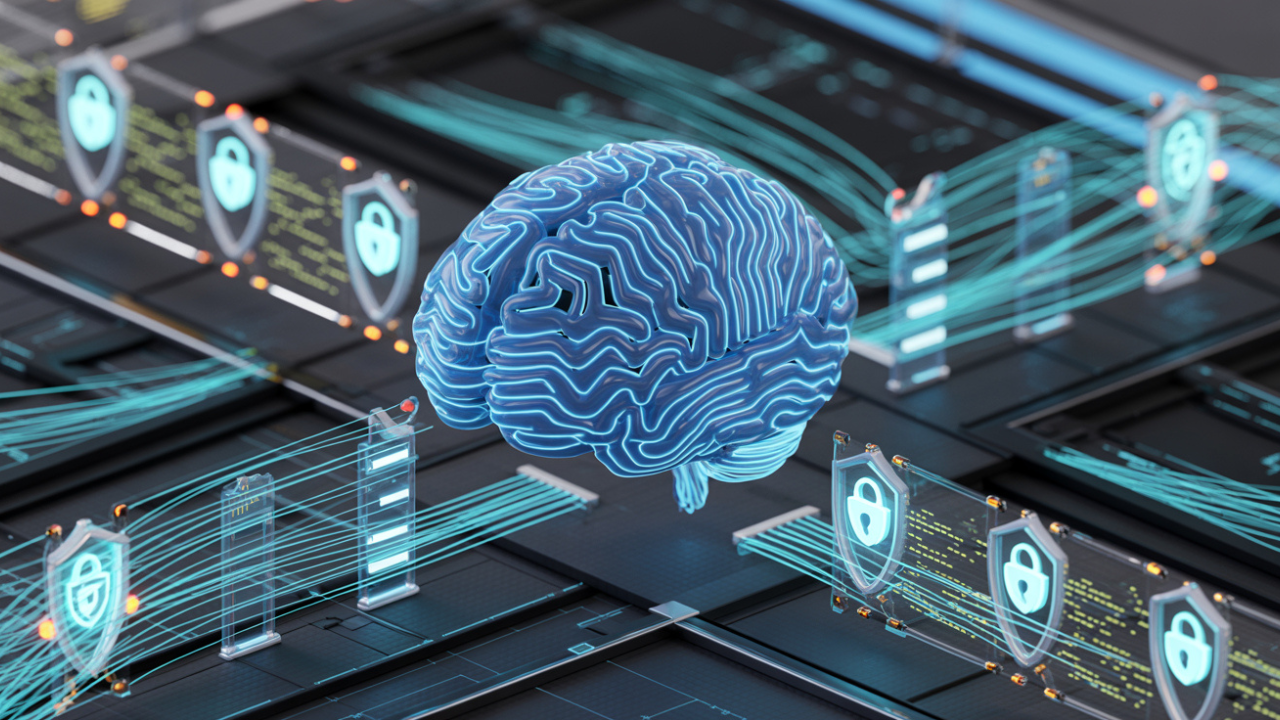
AI in security is the application of advanced artificial intelligence technologies such as machine learning, deep learning, natural language processing, and automated decision-making to strengthen cybersecurity systems. It works by continuously analyzing massive amounts of data, identifying behavioral patterns, detecting anomalies, predicting potential threats, and responding to attacks in real time.
Unlike traditional security tools that rely on fixed rules, AI-driven security systems learn from previous incidents, adapt to new attack methods, and provide proactive protection across networks, devices, applications, cloud platforms, and user activities.
Explanation of Artificial Intelligence in the Security World
In the security world, artificial intelligence is used to:
- Detect threats automatically
- Monitor systems 24/7
- Analyze huge amounts of data instantly
- Find patterns that humans often miss
- Respond to attacks within seconds
Instead of relying only on human experts, AI tools can scan networks, emails, files, and user behavior to catch anything suspicious. This makes security stronger, smarter, and much faster.
How AI Works in Cybersecurity
AI has completely transformed the way digital security works. Instead of waiting for attacks to happen, AI helps cybersecurity systems predict, detect, and respond to threats in real time. Let’s break down how it works.
How AI Analyzes Data in Real Time
AI systems constantly monitor all digital activity across networks, devices, and cloud systems. They analyze millions of events every second from login attempts to file transfers and instantly flag anything unusual. This real-time analysis allows organizations to respond to threats immediately, preventing potential breaches before they cause damage.
Machine Learning Models Detecting Threats
Machine learning (ML) is a core part of AI cybersecurity. ML models are trained on historical attack data to recognize patterns associated with malware, ransomware, or phishing attempts. When a new activity occurs, the system compares it with what it has learned and identifies if it’s suspicious. This way, AI can catch both known threats and new, emerging attacks that traditional security tools might miss.
Behavioral Analysis and Anomaly Detection
One of the most powerful AI capabilities is behavioral analysis. Instead of looking only at files or code, AI observes user behavior, network traffic, and system activity. For example, if an employee suddenly downloads hundreds of files at night, the system will notice this unusual pattern and raise an alert. This anomaly detection helps prevent insider threats, account takeovers, and abnormal network activity.
Predictive Analytics for Future Attack Prevention
AI doesn’t just respond to threats it can predict future attacks. By analyzing trends, attack patterns, and historical data, AI can anticipate potential vulnerabilities and suggest preventive measures. For instance, predictive analytics can identify weak points in a network or predict which types of phishing attacks are likely to target a company next. This makes cybersecurity proactive instead of reactive.
Use of Neural Networks in Pattern Recognition
Neural networks, inspired by the human brain, enable AI to spot complex patterns in data that humans find difficult to detect. In cybersecurity, neural networks can detect subtle indicators of malware, advanced persistent threats (APTs), and other complex intrusions. They improve with time as they process more data, making AI systems smarter and more accurate in detecting dangers.
In short, AI in cybersecurity operates by monitoring, learning, and responding faster than any human team. It uses neural networks to evaluate data in real time, detect anomalous activity, predict assaults, and even recognize hidden patterns. This mix of technology makes digital systems significantly more secure, proactive, and difficult for fraudsters to breach.
Key Benefits of AI in Security
Faster Threat Detection: Identifies malware, ransomware, phishing, and attacks in seconds.
Reduced False Alarms: Learns to distinguish normal activity from threats, minimizing unnecessary alerts.
Automated Responses to Attacks: Blocks suspicious actions, quarantines files, and prevents breaches automatically.
24/7 Monitoring Without Human Fatigue: Constantly monitors networks, devices, and cloud systems.
Stronger Protection Against New and Unknown Threats: Detects zero-day attacks and emerging cyber threats using AI learning and pattern recognition.
Best AI Security Tools in 2026
With cyber threats evolving every day, using the right AI security tools has become essential for businesses of all sizes. In 2026, advanced AI technologies help organizations protect networks, endpoints, cloud systems, and sensitive data in ways traditional tools can’t. Here are the top types of AI security tools and what they offer:
AI Antivirus Software
AI antivirus software represents the next generation of standard antivirus technologies. Unlike traditional antivirus software, which relies solely on known virus signatures, AI antivirus employs artificial intelligence and machine learning to detect novel and unknown threats. It constantly learns from patterns, behaviors, and anomalies to detect malware, ransomware, spyware, and phishing attempts in real time.
With AI antivirus, you don’t have to wait for updates to block the most recent threats. The system can automatically quarantine questionable files, block harmful downloads, and provide proactive protection for devices and networks.
NordVPN:

While NordVPN is widely known as a VPN, it also includes AI-driven Threat Protection, making it more than just a privacy tool.
Key Features:
- AI scans downloads and files for malware in real time
- Blocks malicious websites, phishing attempts, and trackers
- Provides secure connections while detecting digital threats
- Works across all devices and platforms
Why It Stands Out:
NordVPN combines privacy with AI-enhanced security, protecting your devices from emerging digital threats while keeping your data safe online.
Future of AI in Security
The future of AI in digital security is exciting and rapidly evolving. As cyber threats become more sophisticated, AI will play an even bigger role in protecting networks, devices, and sensitive data. One major trend is the increasing use of generative AI for protection. Generative AI can simulate attacks and test security systems, helping companies identify vulnerabilities before hackers exploit them. This proactive approach will make digital defenses smarter and more resilient.
AI will also enable predictive security solutions, which evaluate previous attacks and user behavior to predict future risks. These systems will assist firms in staying one step ahead of fraudsters, lowering risks and limiting potential damage. Combined with zero-trust security principles, AI will ensure that every user, device, and application is constantly validated, making illegal access almost impossible.
The increasing dependence on AI in cybersecurity is opening up new work opportunities. Companies will increasingly seek experts with expertise in AI-powered security, machine learning, and threat analytics.
Over the next five years, AI will reshape digital safety, allowing for faster detection, smarter prevention, and a stronger overall security posture for both enterprises and individuals.
Conclusion:
AI is transforming digital security by offering smarter, faster, and more proactive protection than ever before. Tools like NordVPN’s AI-powered Threat Protection demonstrate how AI can go beyond standard security measures by detecting files for malware, blocking harmful websites, preventing phishing attacks, and keeping devices safe in real time.
Businesses and individuals can benefit from continuous monitoring, automatic threat response, and security against new and emerging cyber threats by using AI-powered solutions such as NordVPN. AI protects networks, devices, and sensitive data without relying exclusively on human intervention.
In today’s digital environment, including AI-powered products such as NordVPN Threat Protection is critical. It’s more than just privacy; it’s about proactive digital security, preventing attacks and keeping your online environment safe.